Destinos de El Salvador
Desde playas de arena negra hasta volcanes imponentes, sitios arqueológicos mayas y pueblos coloniales con encanto.
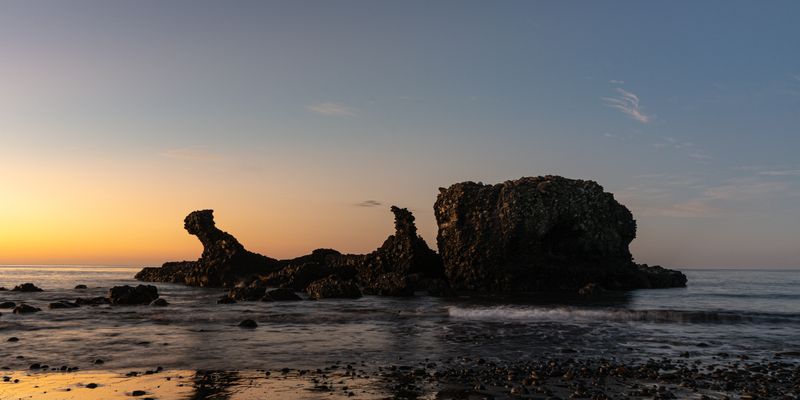
El Tunco
El Tunco is El Salvador's most famous beach town, known for its vibrant nightlife, world-class surf breaks, and iconic pig-shaped rock formation. The black sand beach attracts surfers, backpackers, and digital nomads from around the world. With beachfront bars, restaurants, and a bohemian atmosphere, it's the heartbeat of El Salvador's coastal scene.

El Zonte (Bitcoin Beach)
El Zonte, famously known as Bitcoin Beach, is where El Salvador's Bitcoin revolution began. This laid-back coastal village pioneered cryptocurrency adoption with local businesses accepting Bitcoin since 2019. Beyond its crypto fame, El Zonte offers excellent surf, a tight-knit community vibe, and stunning Pacific Ocean views.

Playa El Sunzal
Playa El Sunzal is one of El Salvador's premier surf spots, consistently delivering powerful right-hand point breaks that attract competitive surfers worldwide. The beach has hosted international surf competitions and is considered one of the best waves in Central America. The surrounding area features surf camps, restaurants, and a growing tourism infrastructure.

Costa del Sol
Costa del Sol is El Salvador's most popular family beach destination, stretching along a 15-kilometer peninsula with calm waters perfect for swimming. The area features all-inclusive resorts, beachfront restaurants, and mangrove estuaries teeming with wildlife. It's the go-to weekend getaway for Salvadoran families and visitors seeking a more resort-style beach experience.

Las Flores
Las Flores is a pristine, uncrowded beach on El Salvador's eastern coast known for its perfect right-hand point break and golden sand. Far from the tourist crowds of La Libertad, this hidden gem offers a more authentic and tranquil beach experience. The area is rapidly developing with boutique hotels and surf lodges while maintaining its natural beauty.

Los Cóbanos
Los Cóbanos is El Salvador's premier snorkeling and diving destination, home to the country's only coral reef system. The rocky coastline and clear waters support diverse marine life including tropical fish, sea turtles, and rays. This protected marine area offers a completely different beach experience focused on underwater exploration and eco-tourism.

Playa El Esterón
Playa El Esterón is a remote and unspoiled beach in eastern El Salvador, offering kilometers of pristine shoreline with virtually no development. The beach is famous for its calm, warm waters and dramatic sunrises over the Gulf of Fonseca. It's an off-the-beaten-path destination perfect for travelers seeking solitude and authentic coastal El Salvador.

Mizata
Mizata is a secluded surf paradise on El Salvador's western coast, offering powerful waves in a stunning natural setting. The beach sits at the base of dramatic cliffs and is less developed than nearby El Tunco, providing a more raw and adventurous surf experience. Eco-lodges and surf camps dot the coastline, catering to surfers seeking world-class waves without the crowds.
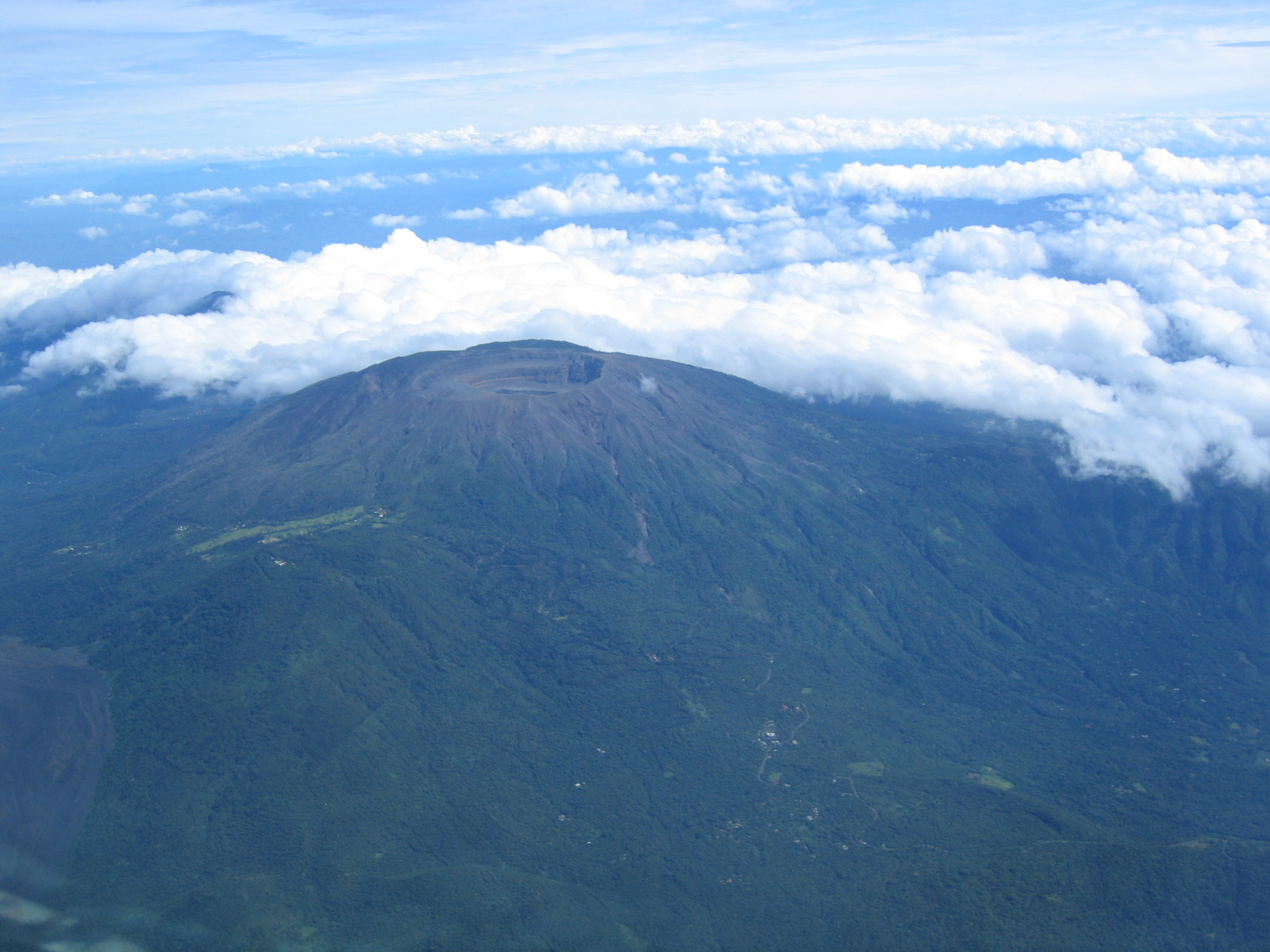
Santa Ana Volcano (Ilamatepec)
Santa Ana Volcano, also known as Ilamatepec, is the highest volcano in El Salvador at 2,381 meters. The challenging but rewarding hike leads to a stunning turquoise crater lake surrounded by sulfuric fumaroles. It's one of Central America's most spectacular volcanic hikes and offers panoramic views of Lake Coatepeque, the Pacific Ocean, and neighboring Guatemala.

Cerro Verde National Park
Cerro Verde National Park is a lush cloud forest park situated between three volcanoes: Santa Ana, Izalco, and Cerro Verde itself. The park offers well-maintained hiking trails through orchid-filled cloud forest, with breathtaking viewpoints overlooking Lake Coatepeque. It's the starting point for Santa Ana Volcano hikes and home to diverse bird species including the endemic turquoise-browed motmot.

El Imposible National Park
El Imposible National Park is El Salvador's largest and most biodiverse protected area, named for the treacherous mountain passes that were once "impossible" to cross. The park protects endangered species including jaguars, king vultures, and hundreds of bird species. Hiking trails wind through tropical dry forest, past waterfalls, natural swimming holes, and ancient trees in a pristine wilderness setting.

Montecristo Cloud Forest
Montecristo Cloud Forest sits at the tri-point where El Salvador, Guatemala, and Honduras meet, creating a unique ecosystem at over 2,400 meters elevation. The perpetually misty cloud forest is home to spider monkeys, quetzals, and ancient tree ferns draped in moss and orchids. Access is limited to protect this pristine environment, making it one of Central America's most exclusive nature experiences.

Izalco Volcano
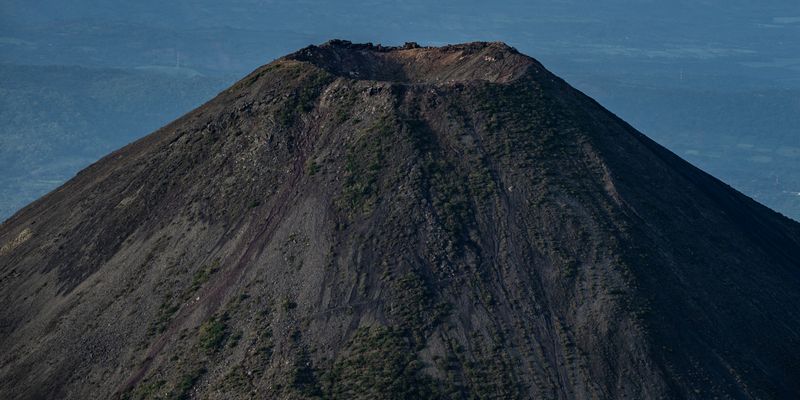
Izalco Volcano, once known as the "Lighthouse of the Pacific" for its constant eruptions visible to passing ships, is one of the youngest volcanoes in the Americas. Though dormant since 1966, its perfectly conical shape and barren black lava slopes create an otherworldly landscape. The hike up its steep flanks rewards with incredible views from the 1,950-meter summit.
Lake Coatepeque
Lake Coatepeque is a breathtaking volcanic crater lake nestled between the Santa Ana and Cerro Verde volcanoes. The deep blue waters periodically turn turquoise due to algae blooms, creating a stunning natural phenomenon. The lake is a popular weekend retreat with waterfront restaurants, kayaking, swimming, and lakeside properties offering some of El Salvador's most scenic real estate.

Joya de Cerén (UNESCO)
Joya de Cerén is a UNESCO World Heritage Site often called the "Pompeii of the Americas." This remarkably preserved Maya farming village was buried by volcanic ash around 600 AD, freezing daily life in time. Unlike monumental Maya cities, Joya de Cerén reveals how ordinary people lived — their homes, kitchens, gardens, and even the food they were preparing when the eruption struck.

Tazumal
Tazumal is the most impressive and best-preserved pre-Columbian pyramid in El Salvador, located in the town of Chalchuapa. The site features a large stepped pyramid reaching 24 meters high, dating back to 100 AD with occupation spanning over 1,500 years. The on-site museum houses the famous Chac Mool statue and other important Maya artifacts discovered during excavations.

San Andrés
San Andrés is a major pre-Columbian Maya site that served as a regional capital in the Zapotitán Valley from 600 to 900 AD. The site features a large ceremonial plaza, pyramid structures, and an indigo processing workshop — one of the oldest known in the Americas. The peaceful setting amid sugar cane fields makes it a pleasant and uncrowded archaeological experience.

Cihuatán
Cihuatán is the largest pre-Columbian city discovered in El Salvador, spanning over 3 square kilometers. This post-classic Maya site flourished around 900-1200 AD and features two ceremonial centers, ball courts, and pyramid structures. The site's name means "Place of Women" in Nahuatl, and ongoing excavations continue to reveal new insights into late Maya civilization in the region.
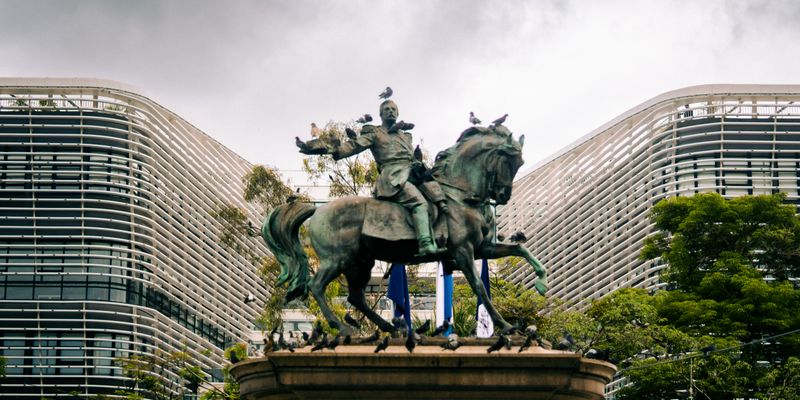
San Salvador
San Salvador is the vibrant capital city of El Salvador, a metropolis of over 2 million people nestled in a valley surrounded by volcanoes. The city blends colonial architecture, modern development, and a buzzing food scene. From the historic center's cathedral and national palace to the trendy Zona Rosa district, San Salvador offers an authentic urban Central American experience with increasing international appeal.

Santa Tecla
Santa Tecla is a charming city adjacent to San Salvador known for its vibrant food scene, craft breweries, and the famous Paseo El Carmen pedestrian street. The city has undergone a remarkable urban renewal, becoming one of El Salvador's most livable cities with excellent restaurants, weekend food markets, and cultural events. It's a favorite among expats and young professionals.

Suchitoto
Suchitoto is El Salvador's cultural jewel, a beautifully preserved colonial town perched above Lake Suchitlán. Cobblestone streets lined with colorful buildings, art galleries, and indigo workshops create an enchanting atmosphere. The town hosts major cultural festivals, has a thriving arts scene, and offers stunning lake views, waterfall hikes, and bird watching on the largest artificial lake in El Salvador.

Juayúa
Juayúa is the gastronomic heart of the Ruta de las Flores, famous for its weekend food festival that draws thousands of visitors. Every Saturday and Sunday, the main square transforms into a massive outdoor food market featuring traditional Salvadoran cuisine, grilled meats, exotic dishes, and local delicacies. Beyond food, the town offers spectacular waterfall hikes and coffee plantation tours.

Apaneca
Apaneca is one of the highest towns in El Salvador at 1,450 meters, surrounded by coffee plantations, pine forests, and the stunning Laguna Verde crater lake. This cool-climate mountain town offers zip-lining adventures, buggy tours through coffee farms, and a peaceful escape from the heat. Its microclimate produces some of El Salvador's finest coffee beans.

Ataco
Concepción de Ataco, usually just called Ataco, is the most colorful and Instagram-worthy town on the Ruta de las Flores. Every building is adorned with vibrant murals, the streets are lined with artisan shops selling handmade textiles and crafts, and weekend nights come alive with live music in the central plaza. The town's coffee shops and restaurants make it a perfect base for exploring the route.

La Palma
La Palma is a mountain town in northern El Salvador famous for its distinctive folk art style created by artist Fernando Llort. Every surface in town — buildings, churches, even utility poles — is decorated with the colorful, childlike art that has become an iconic symbol of Salvadoran culture. The surrounding pine forests and cool climate offer hiking and a peaceful mountain retreat.

Perquín
Perquín is a small mountain town in eastern El Salvador that served as the guerrilla headquarters during the civil war (1980-1992). Today, the Museum of the Revolution tells the powerful story of the conflict through artifacts, photographs, and personal testimonies. The surrounding mountains offer hiking, the nearby Río Sapo provides swimming holes, and the town hosts the annual Festival de Invierno.

Ruta de las Flores
The Ruta de las Flores is a 36-kilometer scenic mountain route connecting five charming towns: Nahuizalco, Salcoatitán, Juayúa, Apaneca, and Ataco. Named for the wildflowers that bloom along the road from November to February, this route showcases the best of highland El Salvador — coffee culture, indigenous traditions, gastronomy, artisan crafts, and stunning mountain scenery.

Nahuizalco
Nahuizalco is the eastern gateway to the Ruta de las Flores and one of the few towns in El Salvador where indigenous Pipil culture is still actively preserved. The town is famous for its night market (mercado nocturno), wicker and tule furniture craftsmanship, and traditional corn-based cuisine. The Pipil community maintains their ancestral language and traditions, offering visitors a living cultural experience.

Salcoatitán
Salcoatitán is the smallest and most artistic town on the Ruta de las Flores, known for its bohemian atmosphere and creative community. The tiny town center features art galleries, coffee shops in restored colonial buildings, and quirky boutique stores. Despite its small size, Salcoatitán punches above its weight with its cultural offerings, mountain views, and the famous "Salcoatitán Swing" photo spot.

Food Festival Weekends
Every weekend, the towns along the Ruta de las Flores transform into an extended food festival that has become one of El Salvador's most beloved traditions. Juayúa leads with its famous Feria Gastronómica, while each town offers its own specialties — from grilled meats and exotic game to traditional pupusas, yuca frita, and artisan chocolate. The festival atmosphere includes live music, craft vendors, and cultural performances.